Red light therapy is increasingly used for skin health because it works below the surface of the skin, supporting natural repair, circulation and collagen-related processes without heat or UV exposure.
Key takeaways
- Red light therapy supports skin health at a cellular level
- It may help improve skin texture, tone and overall appearance over time
- Consistent use is more important than intensity
- Red light therapy is non-invasive and generally well tolerated
- Results are gradual and vary between individuals
How red light therapy works on the skin
Red light therapy uses specific wavelengths of light that penetrate the skin more deeply than topical products. For skin-related benefits, red light is typically in the range of around 630–660nm, while near-infrared (NIR) light is usually around 810–850nm.
These wavelengths are absorbed by cells beneath the skin’s surface, where they support cellular energy production. This process is associated with skin renewal, circulation support, and the body’s natural repair processes.
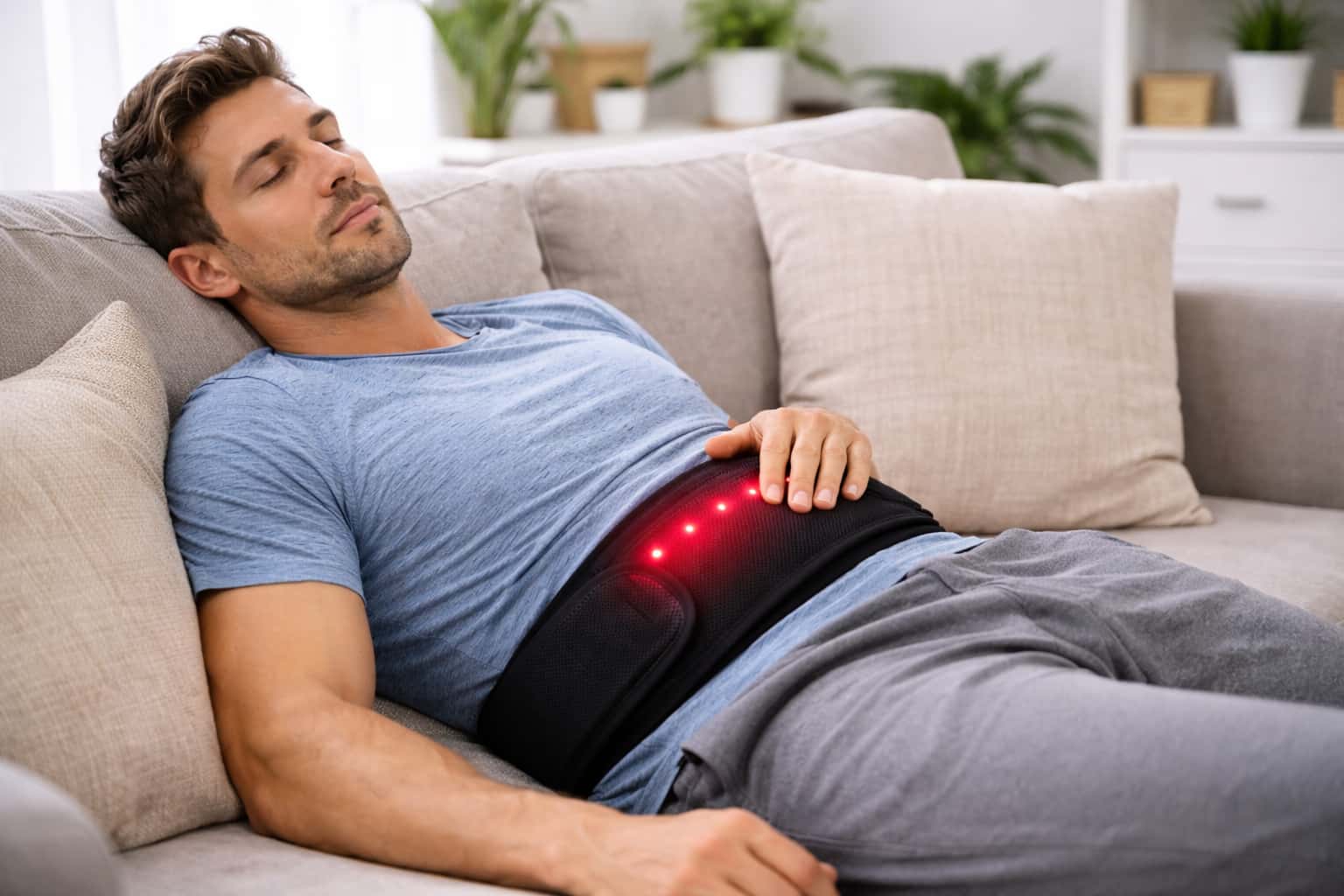
The SafeSalt red light therapy belt uses 660nm red light alongside 850nm near-infrared light, a combination commonly used to support both surface-level skin health and deeper tissue stimulation. Rather than acting as a surface treatment, red light therapy works beneath the skin barrier, making it appealing for people looking to support skin health from within rather than relying solely on topical solutions.
While many people explore red light therapy for skin health, red light therapy is also commonly used for pain relief and recovery, particularly for muscle soreness and joint stiffness.
Red light therapy and collagen support
Collagen is a structural protein that helps keep skin firm and smooth. As we age, natural collagen production slows, which can contribute to fine lines, uneven texture and reduced elasticity.
Red light therapy may help support fibroblast activity, which is involved in collagen production. With regular use, this can contribute to:
- Improved skin texture
- A firmer, more even appearance
- Reduced visibility of fine lines over time
These changes are typically subtle and develop gradually with consistent use.
Skin recovery and calming support
Red light therapy is also used by people looking to support skin recovery. Because it does not rely on heat, it is often chosen to help calm the skin after exposure to environmental stressors such as dryness, sun exposure or general irritation.
Some users incorporate red light therapy into their routine to support:
- Reduced redness
- Improved circulation to the skin
- Faster-looking recovery after cosmetic treatments
- Overall skin comfort
It is commonly used alongside gentle skincare rather than replacing it.
Can red light therapy help with acne-prone skin?
Red light therapy is sometimes included in acne-focused routines, particularly for its calming and recovery-related benefits. While blue light is more commonly associated with targeting acne-causing bacteria, red light therapy focuses on supporting skin healing and inflammation management.
For acne-prone skin, red light therapy may help:
- Calm irritated or stressed skin
- Support healing of blemishes
- Reduce the appearance of post-acne redness
It should be viewed as a supportive option rather than a standalone acne solution.
Is red light therapy safe for regular skin use?
When used according to manufacturer guidelines, red light therapy is considered low risk and suitable for regular use. It does not emit UV rays and does not cause skin burning or peeling.
For safe and effective use:
- Follow recommended session times
- Use consistently rather than excessively
- Avoid looking directly into light sources
- Discontinue use if irritation occurs
People with existing skin conditions or medical concerns should seek professional advice before starting new treatments.
What results can you realistically expect?
Red light therapy is not an overnight solution. Most people who notice benefits report gradual improvements over weeks or months of consistent use.
Results vary depending on factors such as skin type, age, frequency of use and overall skincare habits. Red light therapy works best as part of a broader, realistic skin health routine.
Using red light therapy at home
At-home devices have made red light therapy more accessible, allowing users to support skin health consistently without clinic visits. Products such as the Red Light Therapy Belt are commonly used for targeted areas and can be incorporated into evening or recovery routines.
Consistency, correct positioning and patience are key when using red light therapy at home.
How red light therapy fits into a holistic skin routine
Red light therapy works best when combined with simple, supportive habits such as:
- Adequate hydration
- A balanced diet
- Gentle skincare products
- Proper sleep and recovery
It is a complementary tool rather than a replacement for healthy lifestyle choices.
Where to learn more or get personalised advice
If you are exploring red light therapy as part of your skin or recovery routine and want to learn more about available options, you can visit our About Us page to understand our approach, or reach out via our Contact Us page for general product enquiries.
Red light therapy is best approached with realistic expectations, consistent use and a focus on long-term skin health rather than quick fixes.