Red light therapy is widely used for pain relief and recovery because it supports natural cellular processes linked to circulation, inflammation management and tissue repair, helping the body recover more comfortably over time.
Key takeaways
- Red light therapy supports pain relief and muscle recovery at a cellular level
- It is commonly used for joint stiffness, muscle soreness and post-exercise recovery
- Results are gradual and vary between individuals
- Consistent use is more effective than occasional sessions
- Red light therapy is non-invasive and does not rely on heat or medication
How red light therapy works for pain and recovery
Red light therapy uses specific wavelengths of red and near-infrared light that penetrate the skin and underlying tissue. When absorbed, this light supports cellular energy production, which plays a role in tissue repair and recovery.
Rather than masking discomfort, red light therapy supports the body’s natural healing processes. This makes it appealing for people looking for non-invasive, drug-free support for ongoing aches, stiffness or post-exercise soreness.
Can red light therapy help reduce pain?
Many people use red light therapy to support relief from mild to moderate discomfort associated with muscle tension, joint stiffness and overuse injuries. By supporting circulation and cellular activity, red light therapy may help ease discomfort and improve movement over time.
It is commonly used for:
- Muscle soreness after exercise
- Joint stiffness and mobility support
- General aches related to physical activity or daily strain
- Recovery after long periods of sitting or standing
Red light therapy is not a replacement for medical treatment, but it may complement existing recovery routines.
Red light therapy for muscle recovery
Muscle recovery relies on adequate circulation, oxygen delivery and tissue repair. Red light therapy supports these processes by encouraging blood flow and cellular energy production in targeted areas.
Athletes and active individuals often use red light therapy:
- After workouts to support recovery
- Between training sessions to manage soreness
- As part of a broader recovery routine alongside stretching and hydration
Consistency is key, as benefits tend to build gradually with repeated use.
What does science say about red light therapy?
Scientific research into red light therapy continues to grow, particularly in the areas of pain management and recovery. Studies suggest that red and near-infrared light may support inflammation regulation and cellular repair mechanisms, which are closely linked to pain and recovery outcomes.
Beyond pain management, red light therapy is also used to support skin health, including circulation and collagen-related processes. While results vary and more research is ongoing, existing evidence supports its use as a low-risk, supportive therapy rather than a cure-all solution.
Is red light therapy safe to use at home?
When used according to manufacturer guidelines, red light therapy is considered low risk and suitable for home use. It does not emit UV rays and does not cause burning or skin damage when used correctly.
For safe use:
- Follow recommended session times
- Use on clean, dry skin
- Avoid looking directly into the light source
- Stop use if discomfort occurs
People with medical conditions or implanted devices should seek professional advice before use.
What results can you realistically expect?
Red light therapy does not provide instant results. Some people notice mild relief shortly after sessions, while others experience gradual improvements over weeks of consistent use.
Outcomes depend on factors such as:
- Frequency of use
- Area treated
- Severity of discomfort
- Overall lifestyle and recovery habits
Using red light therapy regularly and as part of a balanced routine tends to produce the best results.
Using red light therapy at home for recovery
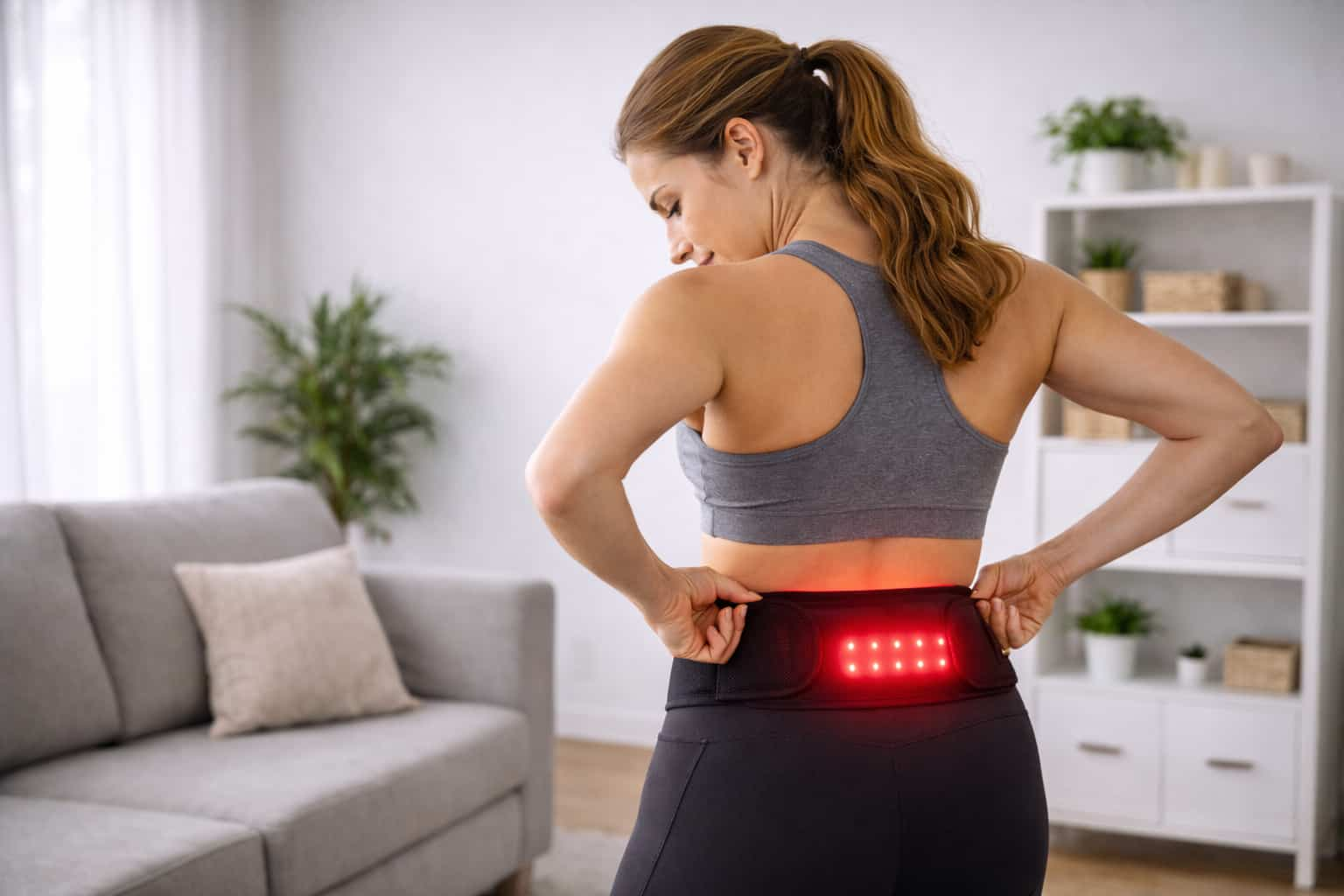
At-home devices make it easier to incorporate red light therapy into daily recovery routines. Products such as the Red Light Therapy Belt allow for targeted application to muscles and joints, making them suitable for use after exercise or during rest periods.
Home use works best when paired with realistic expectations and consistent application.
Red light therapy as part of a holistic recovery routine
Some people pair red light therapy with topical magnesium products for muscle recovery to support relaxation and post-exercise comfort. Red light therapy works best alongside other supportive habits, including:
- Proper hydration
- Gentle movement and stretching
- Adequate sleep
- Balanced nutrition
It is designed to complement, not replace, healthy recovery practices.
Learn more about red light therapy options
If you are exploring red light therapy for pain and recovery and want to better understand available options, you can visit our About Us page to learn more about our approach, or contact us via our Contact Us page for general product enquiries.
Red light therapy is most effective when used consistently, responsibly and as part of a long-term recovery strategy rather than a quick fix.