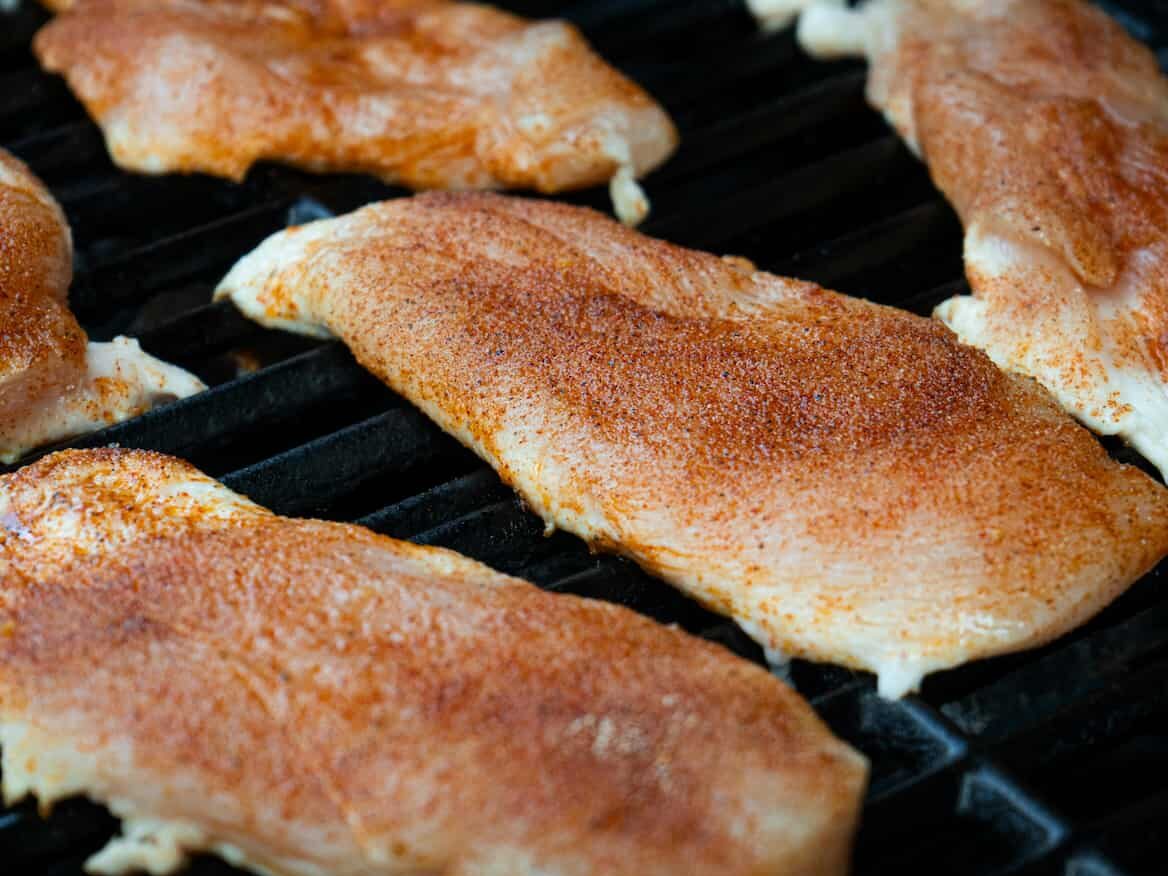
A dry rub should typically sit on meat for at least 30 minutes, but for deeper flavour and better results, it’s often best to leave it for several hours or overnight depending on the cut.
Key Takeaways
- Minimum time is 30 minutes before cooking
- 2 to 4 hours allows better flavour absorption
- Overnight works best for larger cuts
- Salt in the rub helps tenderise and enhance flavour
- Timing depends on meat type and thickness
Why Letting a Dry Rub Sit Matters
Letting a dry rub sit is not just about flavour on the surface. It allows the seasoning to interact with the meat.
During this time:
- Salt draws out moisture
- The moisture dissolves the spices
- The mixture is reabsorbed into the meat
This process helps create a more even and deeper flavour profile.
If you’re new to rubs, understanding what a dry rub is and how to use it can help you get better results.
How Long for Different Types of Meat
Chicken
- Minimum: 30 minutes
- Ideal: 2 to 6 hours
Chicken absorbs flavour relatively quickly, so it doesn’t need as much time as larger cuts.
Beef
- Minimum: 1 hour
- Ideal: 4 to 12 hours
Thicker cuts like steaks or roasts benefit from longer resting times to allow seasoning to penetrate.
Pork
- Minimum: 1 hour
- Ideal: Overnight
Pork works particularly well with dry rubs, and longer resting times help develop stronger flavour.
When Overnight Is Best
For large cuts such as:
- Whole chicken
- Pork shoulder
- Beef brisket
Leaving the rub overnight in the fridge allows the seasoning to fully develop.
This also improves texture by helping retain moisture during cooking.
The Role of Salt in Dry Rub Timing
Salt is the most important ingredient in a dry rub.
It controls:
- Moisture movement
- Flavour absorption
- Tenderness
Using the right type of salt, such as kosher salt, helps distribute seasoning more evenly and improves overall results.
Should You Leave a Dry Rub Too Long?
While longer is often better, there are limits.
Leaving a rub on for too long can:
- Over-dry the surface
- Make the texture slightly firmer
For most meats, staying within the recommended time ranges avoids these issues.
Using Dry Rubs for Grilling and Roasting
Dry rubs are versatile and work across different cooking methods.
They are commonly used for:
- Grilling
- Roasting
- Smoking
Pairing them with products like bbq rub or chicken rub can help simplify preparation while still delivering strong flavour.
If you’re comparing approaches, dry rub vs marinade explains when each method works best.
Tips for Better Results
To get the most out of your dry rub:
- Pat the meat dry before applying
- Use enough rub to coat evenly
- Let the meat rest uncovered or loosely covered
- Store in the fridge during longer resting times
These small steps can make a noticeable difference in flavour and texture.
Get Better Results with the Right Timing
Letting a dry rub sit is one of the easiest ways to improve your cooking. With the right timing, you can achieve deeper flavour, better texture, and more consistent results.Explore options like bbq rub or browse the full range on the SafeSalt shop. For more cooking tips, visit the contact page.