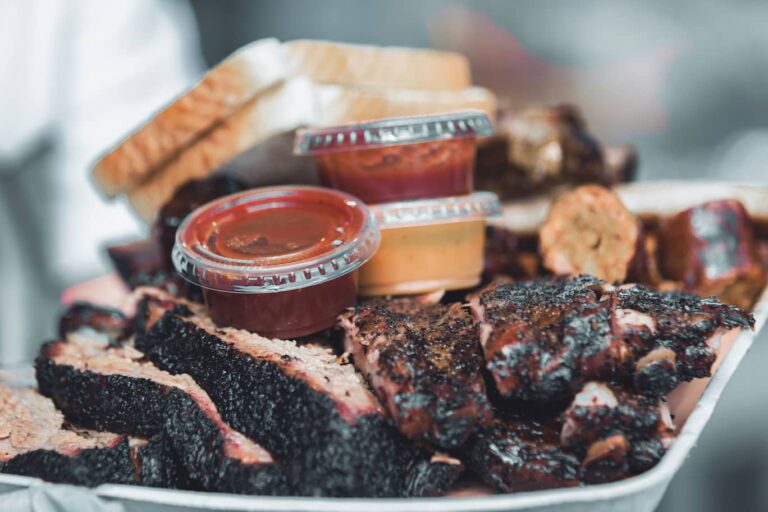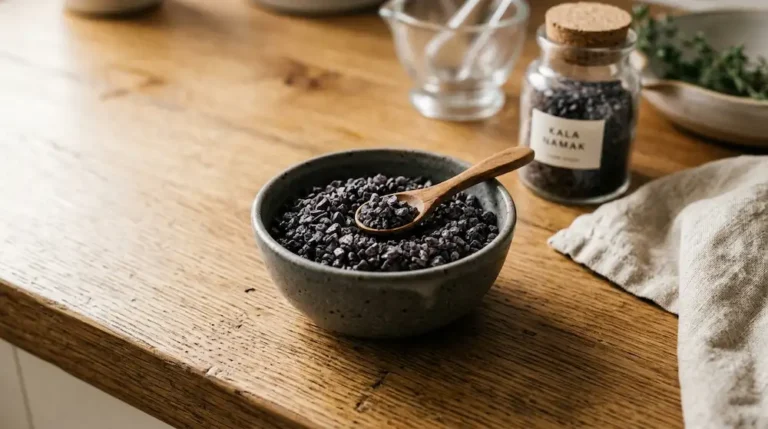
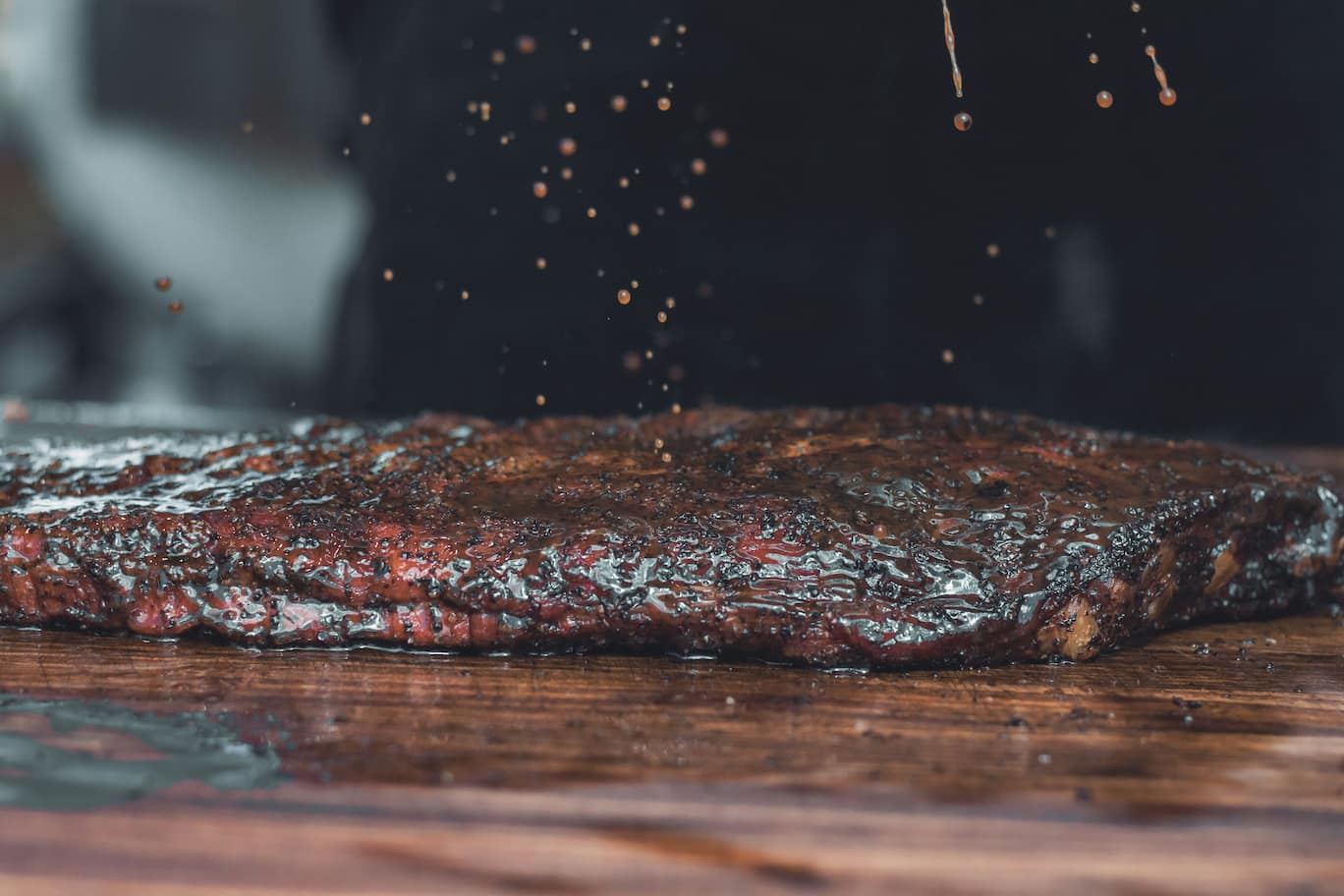
Making your own BBQ dry rub with Himalayan salt is a simple way to control flavour, texture, and seasoning balance. Himalayan salt adds mineral-rich flavour and works well with spices commonly used for grilling and roasting.
Key Takeaways
- Himalayan salt adds texture and balanced seasoning to BBQ rubs
- Homemade rubs allow you to customise flavour profiles
- Dry rubs work well for grilling, roasting, and smoking
- Salt helps improve moisture retention and bark formation
- A balanced rub combines salt, spice, sweetness, and aromatics
Why Use Himalayan Salt in a BBQ Dry Rub?
Himalayan salt is popular in cooking because of its coarse texture and mild flavour.
Compared to regular table salt, it:
- Distributes more evenly
- Provides better control when seasoning
- Works well in dry rub blends
Products like Himalayan pink salt coarse are especially suitable for homemade BBQ seasoning because the crystals blend well with herbs and spices.
Basic BBQ Dry Rub Recipe
A simple dry rub can be made using ingredients already found in most kitchens.
Basic Ingredients
- 2 tablespoons Himalayan salt
- 2 tablespoons paprika
- 1 tablespoon garlic powder
- 1 tablespoon onion powder
- 1 tablespoon brown sugar
- 1 teaspoon black pepper
- 1 teaspoon chilli powder
Mix thoroughly in a bowl until evenly combined.
This creates a balanced blend suitable for beef, chicken, pork, and vegetables.
Adjusting the Flavour Profile
One advantage of homemade dry rubs is flexibility.
You can adjust ingredients depending on your cooking style:
For Smokier Flavour
Add smoked paprika or smoked Himalayan salt fine.
For Sweeter BBQ
Increase brown sugar slightly for caramelisation.
For More Heat
Add cayenne pepper or extra chilli powder.
For Herb-Based Flavour
Add dried rosemary, thyme, or oregano.
How to Apply a Dry Rub Properly
Applying the rub correctly helps improve flavour and bark formation.
Before seasoning:
- Pat the meat dry
- Apply a light coating of oil or binder if desired
- Spread the rub evenly over all sides
Allow the rub to sit before cooking so the salt and spices can interact with the meat.
For timing recommendations, see how long should you let a dry rub sit on meat.
What Meats Work Best with Dry Rubs?
Homemade BBQ rubs are highly versatile.
They work especially well on:
- Brisket
- Pork ribs
- Chicken wings
- Lamb
- Roast vegetables
Different meats may benefit from slight flavour adjustments depending on sweetness, spice level, or salt intensity.
The Role of Salt in BBQ Cooking
Salt does more than add flavour.
It also helps:
- Draw moisture into the seasoning layer
- Improve crust formation
- Support tenderness during cooking
Understanding how salt interacts with meat can improve overall cooking results. The science of salt brining explains this process further.
Common Mistakes When Making Dry Rubs
A few common issues can affect the final result:
- Using too much salt
- Adding too much sugar for high-heat cooking
- Not mixing ingredients evenly
- Applying rub immediately before cooking
Balanced seasoning and proper resting time make a noticeable difference.
Create Better BBQ Flavour at Home
Making your own BBQ dry rub with Himalayan salt is an easy way to improve flavour and customise your cooking style. With the right balance of salt, spices, and sweetness, homemade rubs can deliver excellent results across many different meats.
Explore products like Himalayan pink salt coarse or browse the full range on the SafeSalt shop. For more cooking tips and product guidance, visit the contact page.