
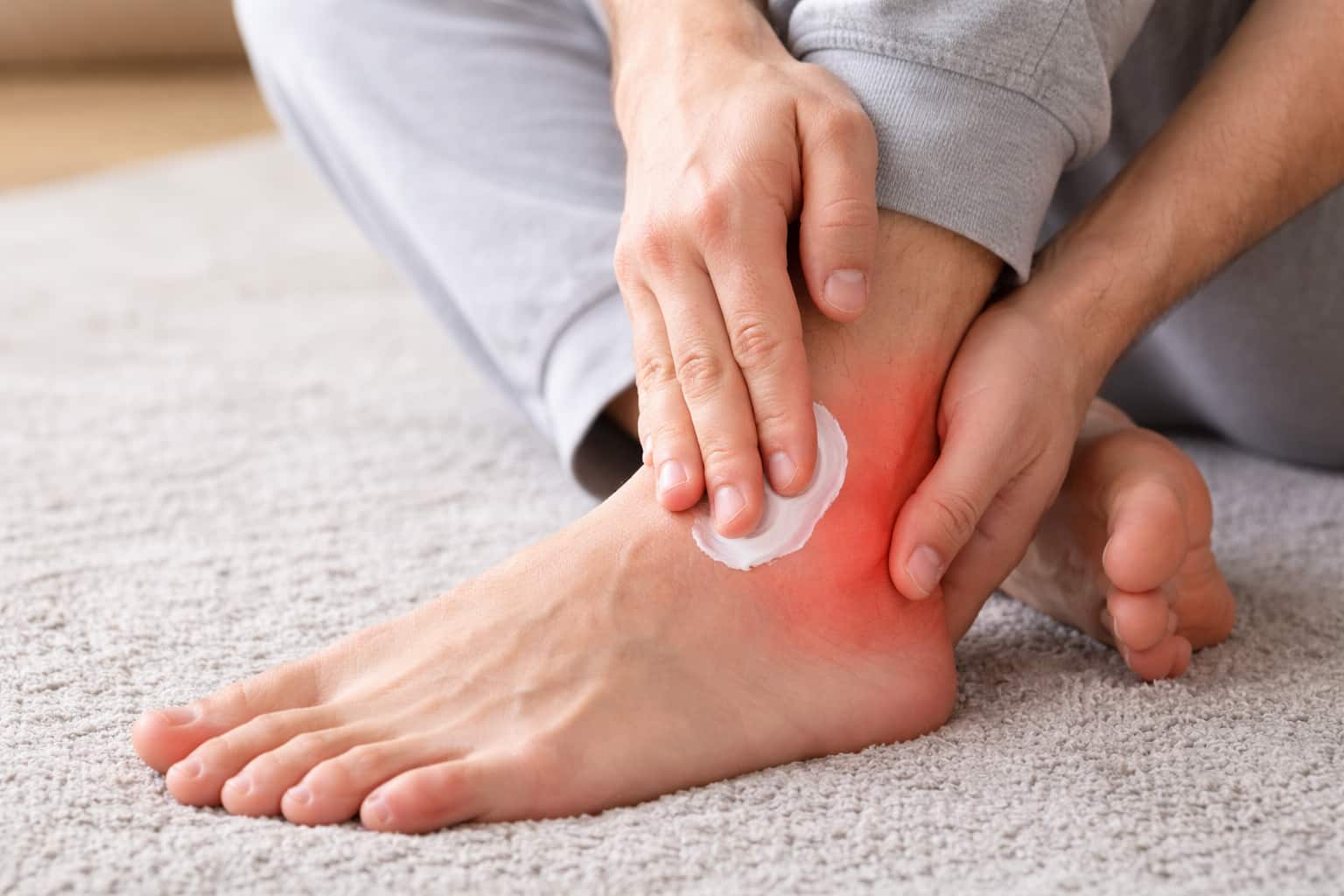
Bee venom cream is commonly used to support joint comfort and inflammation management. It works by stimulating circulation and triggering a mild response in the skin that may help ease stiffness and discomfort when applied consistently.
Key takeaways
- Bee venom cream is used topically for joint and muscle support
- It may help with stiffness linked to arthritis and inflammation
- It works by stimulating circulation in the applied area
- Consistency is more important than heavy application
- It should always be patch tested before full use
What Is Bee Venom Cream?
Bee venom cream contains purified bee venom blended with soothing base ingredients. When applied to the skin, bee venom creates a mild warming or tingling sensation.
This reaction is believed to increase blood flow to the area, which may help support joint comfort and mobility over time.
SafeSalt’s Bee Venom Cream is formulated for topical use and is commonly applied to knees, hands, shoulders and other areas prone to stiffness.
How Bee Venom May Support Arthritis Symptoms
Arthritis is associated with joint inflammation, stiffness and discomfort. Bee venom has been studied for its potential role in supporting inflammatory balance.
While it is not a cure or replacement for medical treatment, some individuals use bee venom cream as part of a broader joint care routine.
Possible benefits may include:
- Temporary reduction in joint stiffness
- Support for circulation in affected areas
- Improved flexibility when used consistently
Because responses vary, it is important to use realistic expectations and monitor individual tolerance.
How Bee Venom Supports Inflammation Management
Bee venom contains compounds such as melittin, which have been researched for their interaction with inflammatory pathways.
When applied topically, bee venom may:
- Encourage localised circulation
- Support the body’s natural response to inflammation
- Help relieve muscle tension linked to inflammatory discomfort
It is often used alongside other supportive approaches such as magnesium-based products. For example, combining topical support with options like Magnesium Cream for Muscle Recovery may complement a joint care routine.
How to Use Bee Venom Cream Safely
Before using bee venom cream:
- Perform a patch test on a small area of skin
- Wait 24 hours to check for reaction
- Avoid use if allergic to bee stings
To apply:
- Use a small amount
- Massage gently into the affected area
- Use once or twice daily as tolerated
Do not apply to broken skin or sensitive areas.
If you have a diagnosed medical condition, consult a healthcare professional before use.
Who Should Avoid Bee Venom Cream?
Bee venom products are not suitable for:
- Individuals with bee allergies
- Pregnant or breastfeeding women without medical advice
- Those with severe skin sensitivity
Always discontinue use if irritation occurs.
Is Bee Venom Cream a Long-Term Solution?
Bee venom cream is typically used as supportive care rather than a standalone treatment. Many people include it as part of a broader inflammation management approach that may also involve diet, movement, mineral support and lifestyle adjustments.
Consistency is key. Results, if experienced, tend to develop gradually rather than immediately.
Supporting Joint Comfort Naturally
Bee venom cream offers a topical option for those exploring natural approaches to joint and inflammation support. When used correctly and consistently, it may complement an overall wellness routine.To learn more about SafeSalt’s approach to mineral and topical wellness, visit our About Us page or contact our team directly via the Contact Us page.