
Salt Types Explained

Discover the Unique Benefits of Every Salt Type
Salt does more than season your food. It plays a key role in hydration, mineral intake, detox routines and even natural skincare. At SafeSalt, we believe in choosing salt with purpose. Whether you’re cooking a gourmet meal, soaking in a mineral-rich bath, or refreshing your home naturally, understanding different salt types helps you make the most of every grain.
Explore our guide below to learn how each salt variety differs in origin, benefits, and everyday uses – so you can choose the right option for your needs.
Edible Salts
Explore culinary products:
Shop Himalayan salt decor:
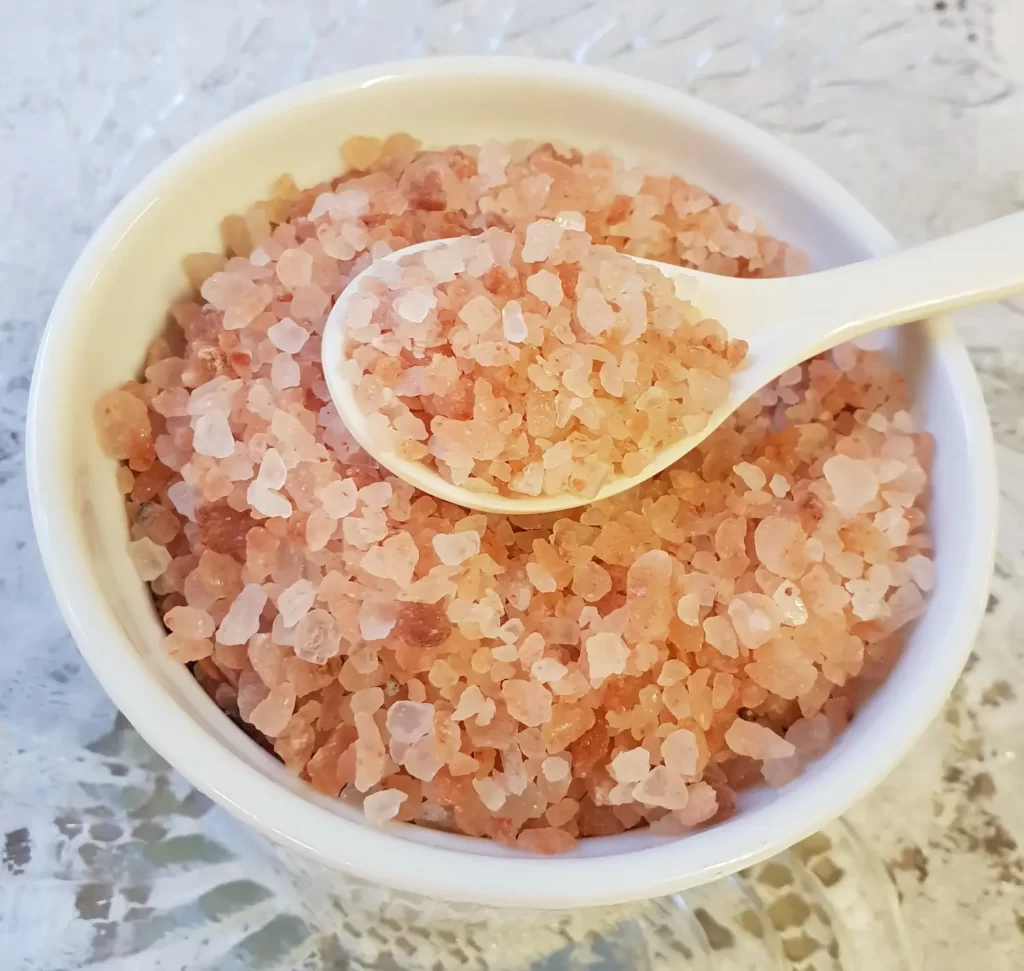
1. Himalayan Pink Salt
Colour: Light to dark pink
Source: Ancient salt deposits in the Himalayan region
Mineral Content: Rich in iron, magnesium, potassium and calcium
Why use it:
One of the most mineral-dense salts available, Himalayan salt is known for its balanced flavour and wellness properties. Use it for everything from everyday seasoning to detox baths.
Common uses:
- Cooking (fine, coarse or grinder refills)
- Bath soaks and foot soaks
- Decorative items like lamps, blocks, and bowls
Explore products:
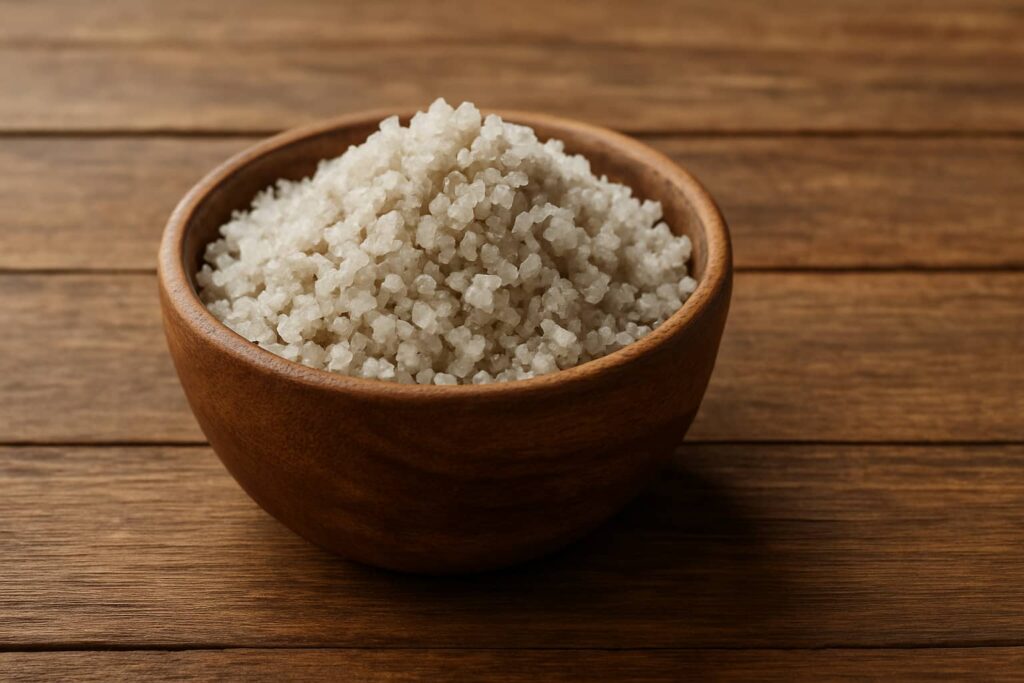
2. Celtic Sea Salt
Colour: Light grey
Source: Coastal salt flats in France
Mineral Content: High in magnesium and trace elements
Why use it:
Celtic salt retains its natural moisture and mineral complexity. It’s especially popular for its alkalising effect and electrolyte support.
Common uses:
- Cooking and finishing salt
- Morning mineral shots or electrolyte drinks
Explore more:
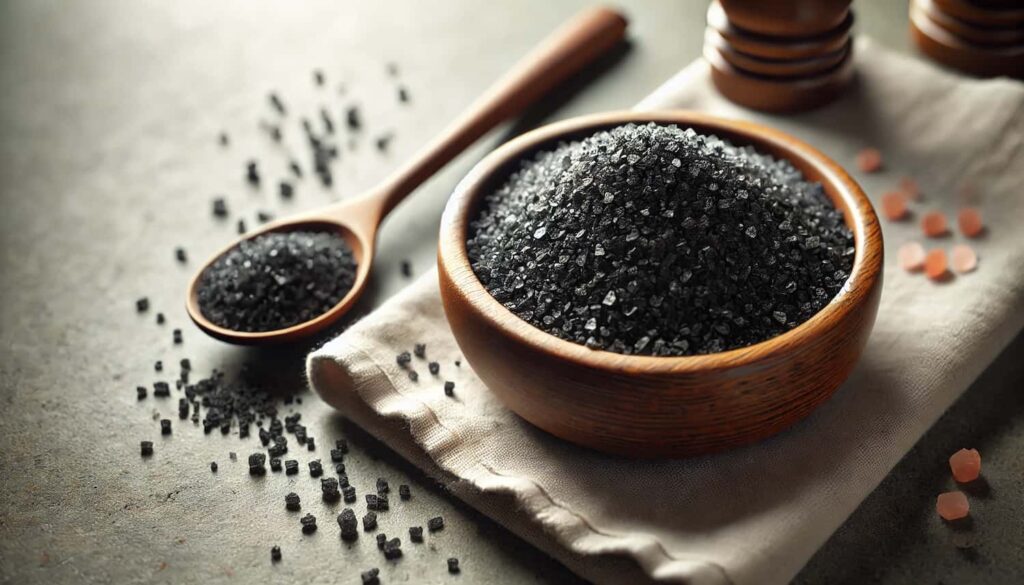
3. Black Salt (Kala Namak)
Colour: Dark violet (whole) / pinkish-grey (ground)
Source: Heat-treated Himalayan salt infused with herbs
Taste Profile: Sulphurous, egg-like aroma
Why use it:
A staple in Ayurvedic practices and South Asian cooking, black salt is prized for aiding digestion and enhancing flavour in plant-based dishes.
Common uses:
- Vegan recipes (e.g. tofu scramble)
- Electrolyte balancing drinks
- Digestive support in Ayurvedic practices
Explore more:
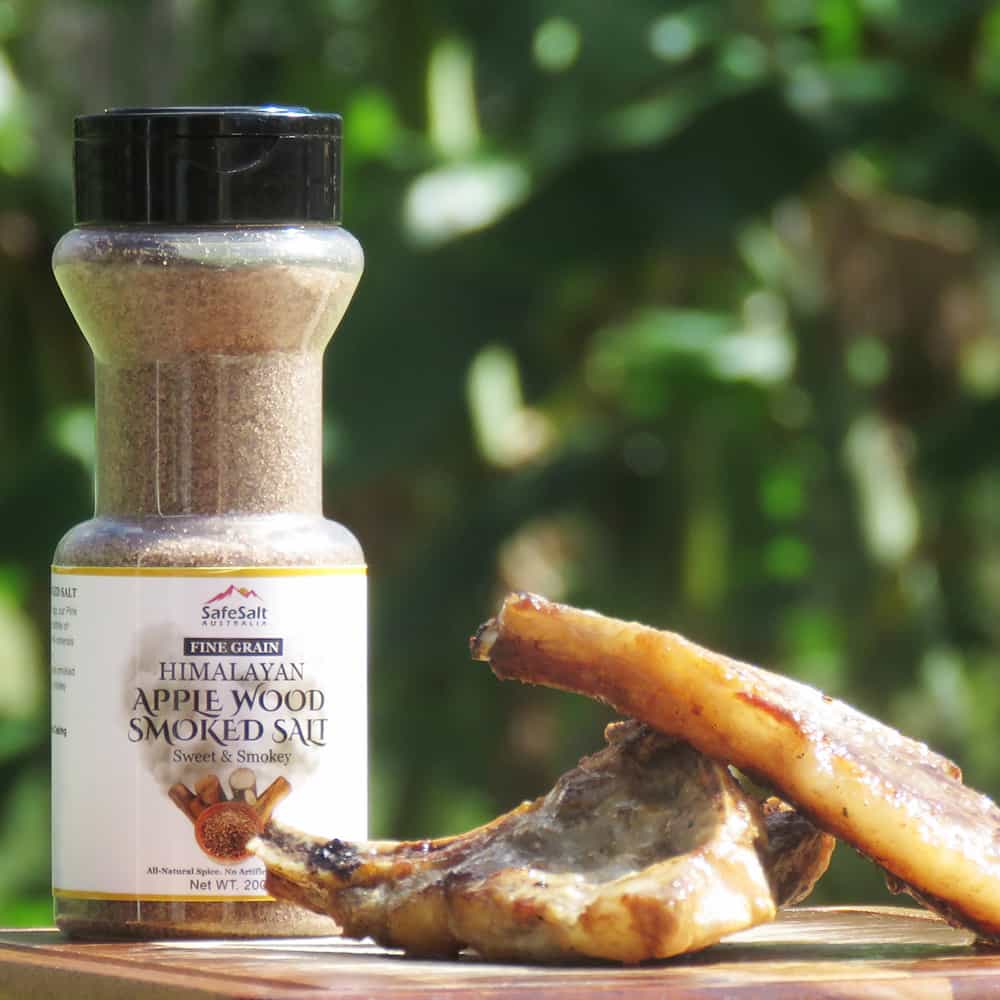
4. Smoked Salt
Colour: Light amber to dark brown
Source: Cold-smoked Himalayan salt
Flavour Notes: Bold, woody, savoury
Why use it:
Add depth and a campfire-like aroma to your meals without artificial additives. Smoked salt is a favourite for BBQs and plant-based dishes.
Common uses:
- Finishing grilled meats or vegetables
- Adding smoky flavour to marinades and sauces
Learn more:
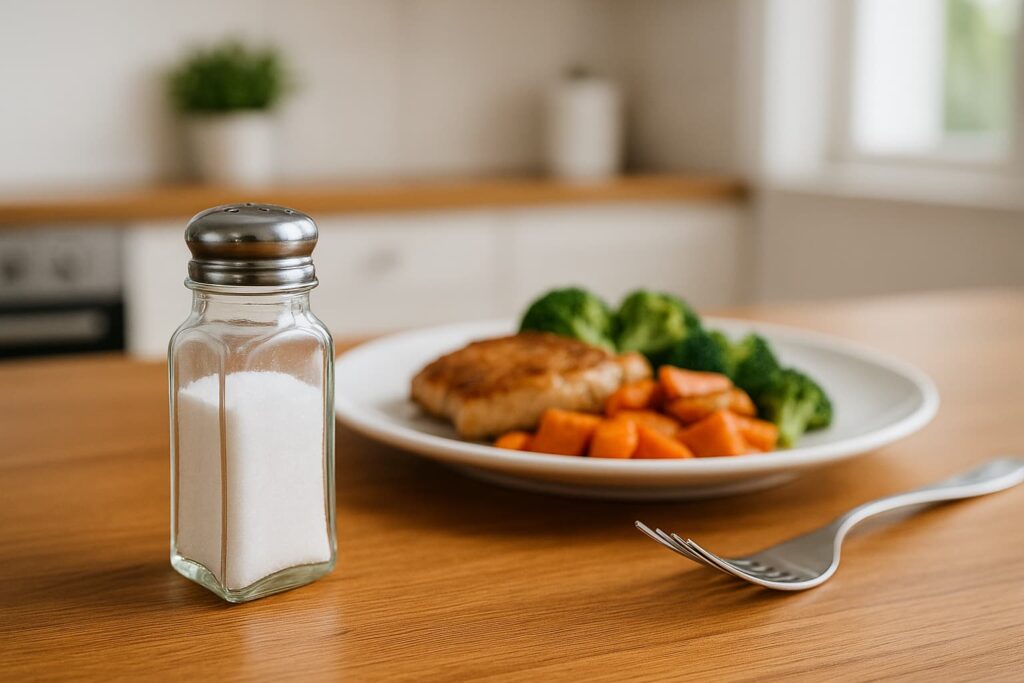
5. Table Salt
Colour: Pure white
Source: Heavily refined sea or rock salt
Additives: Often contains added iodine and anti-caking agents
Why use it (or not):
While widely available, table salt is stripped of most natural minerals. Many people are now opting for mineral-rich alternatives like Himalayan or Celtic salt.
Therapeutic Salts
Explore more:
6. Epsom Salt
Chemical Name: Magnesium sulphate
Colour: White crystalline
Texture: Medium to coarse granules
Why use it:
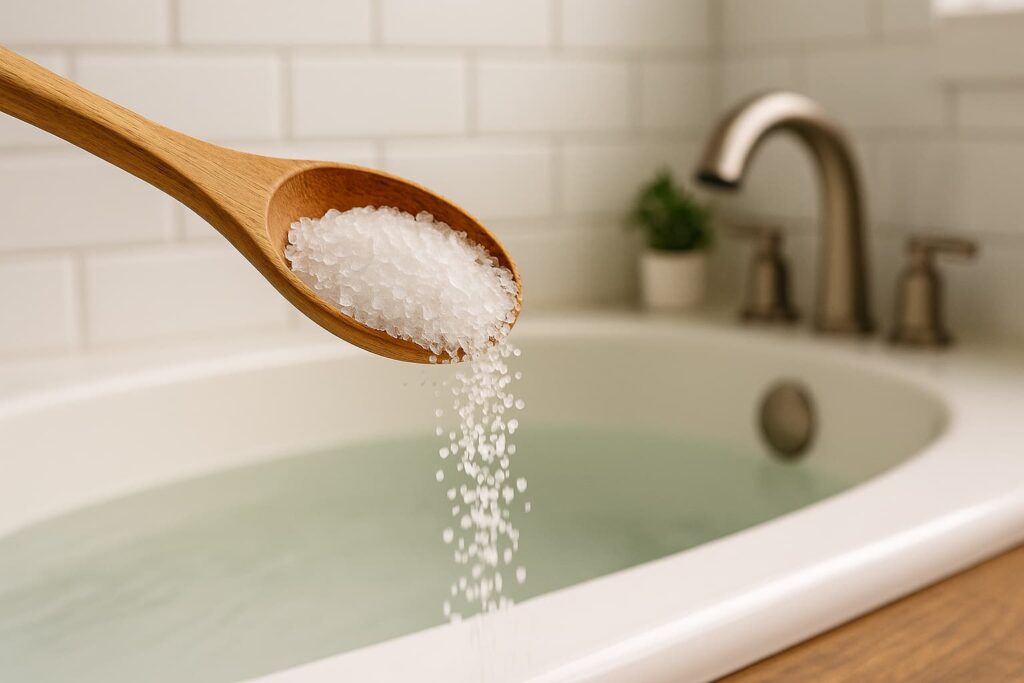
Unlike other salts, Epsom salt isn’t used for cooking. Its magnesium-rich formula is ideal for bath soaks to relieve sore muscles and promote better sleep.
Common uses:
- Bath soaks and foot baths
- Muscle and joint relief
- Magnesium supplementation through the skin

Explore more:
7. Dead Sea Salt
Colour: White to off-white
Source: Evaporated from the Dead Sea
Minerals: Magnesium, bromide, potassium, calcium
Why use it:
Dead Sea salt has one of the highest concentrations of therapeutic minerals, making it ideal for sensitive skin, joint pain, and relaxation.
Common uses:
- Full-body bath soaks
- Eczema, psoriasis and inflammation support
- Spa-style treatments at home

Which Salt Is Best for You?
Whether you’re choosing a salt for nutrition, cooking or relaxation, there’s a natural option that suits your lifestyle. Explore some of our collections to find your perfect match.Gourmet Salt Collection and Natural Mineral Detox Range to find your perfect match.
Need help deciding?